Montessori vs. Play-Based Preschool in Lewisville: A Fair Comparison
Compare Montessori and play-based preschool in Lewisville by classroom setup, teacher role, materials, routines, and tour questions for parents.


At Milestones Academy of Texas, we strive to nurture every child in our care by providing an innovative education and igniting a child's lifelong love of learning.
Schedule a Tour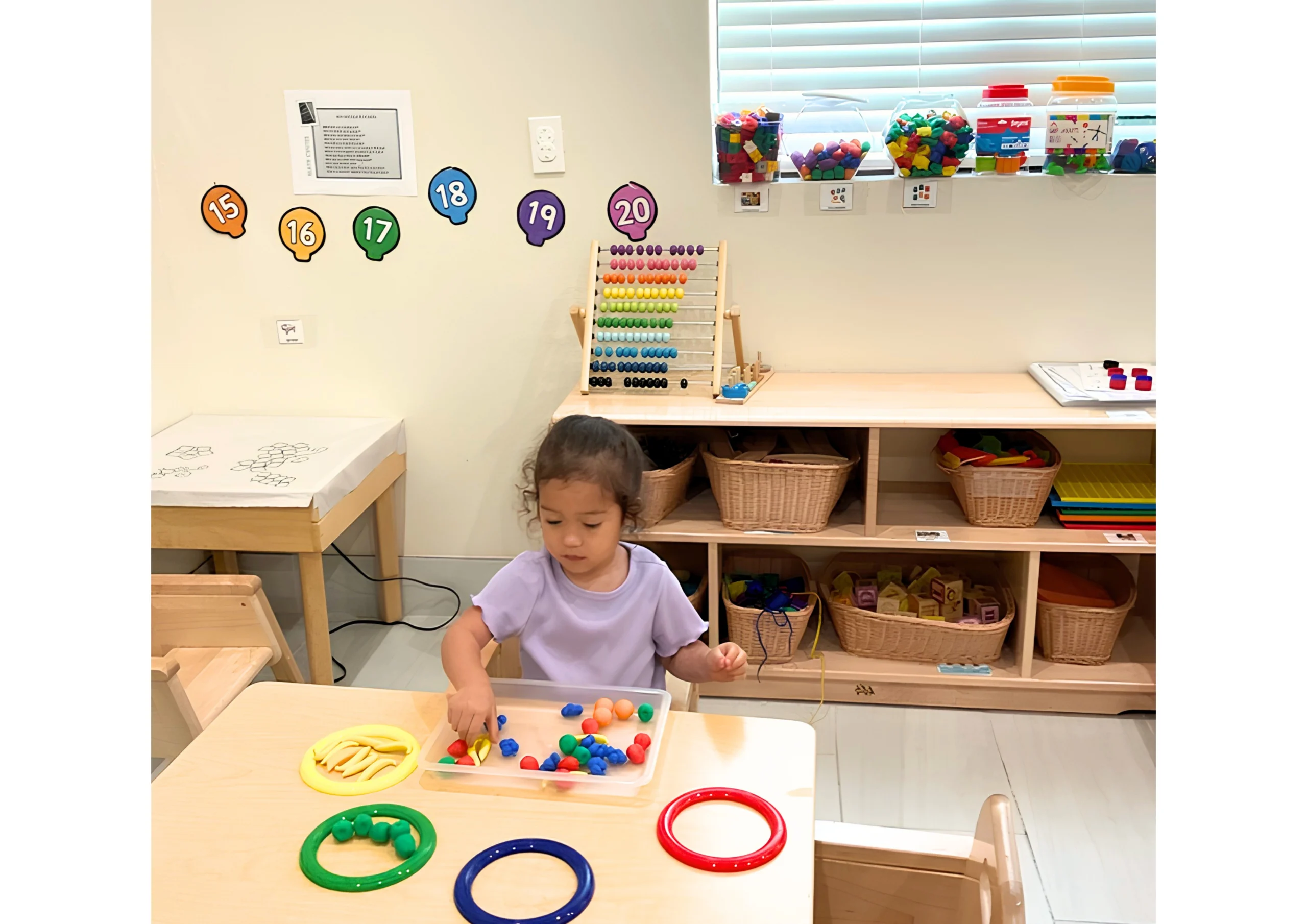
EYFS stands for Early Years Foundation Stage and is the standard set for education, teaching, learning and care of 0 to 5-year-olds. It was introduced as part of the 2006 Childcare Act in the UK and is based on years of research.
EYFS children are aged between birth and 5 years old.
In EYFS, practitioners often don't have to work in traditional classrooms, and so the places where young children learn are called early years settings or Learning Environments.
A Unique Child: Every child is a unique child who is constantly learning and can be resilient, capable, confident and self-assured.
Children learn to be strong and independent through positive relationships.
Children learn and develop well in enabling environments with teaching and support from adults, who respond to their individual interests and needs and help them to build their learning over time. Children benefit from a strong partnership between practitioners and parents and/or carers.
Importance of learning and development. Children develop and learn at different rates.
The Early Years Foundation Stage guidelines aim to provide:
in all early years classes
through learning opportunities tailored to the needs of pupils of this age group
between parents and practitioners
to support children of all backgrounds
The EYFS is divided up into Seven Areas of Learning and Development.

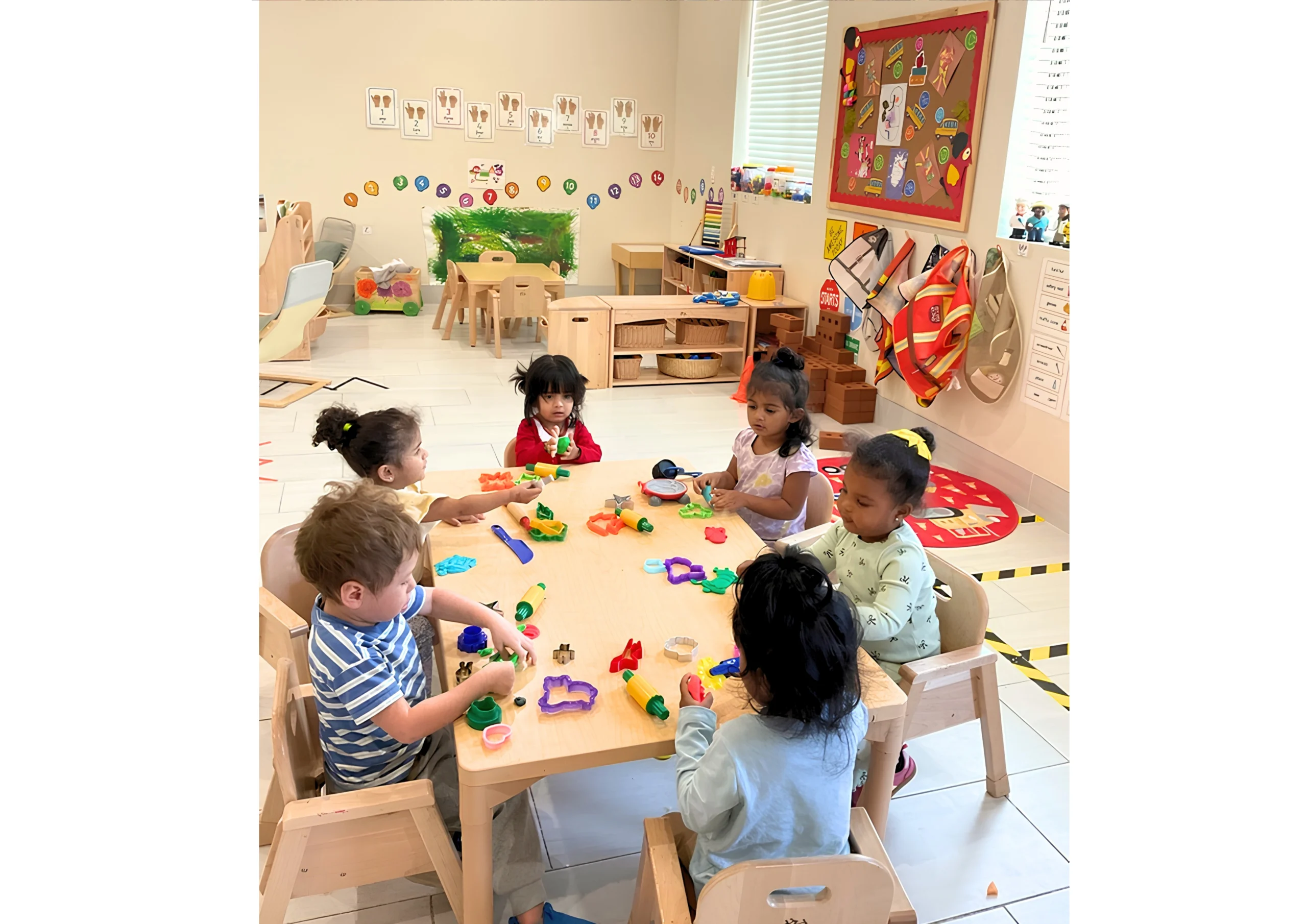
Personal, Social and Emotional Development (PSED) focuses on children's mental and physical wellbeing. Children work on long-term skills and awareness to build a healthy foundation they can take forward.
Personal, social and emotional development (PSED) provides children with lots of social opportunities. Children can learn to form healthy bonds and make stable, lasting friendships. For example, they'll learn what the right and wrong things to do are, alongside respect, compassion, morals, and lots more socio-emotional skills.
The subject also opens children up to discuss their thoughts and feelings. This can help them to form a level of ownership, independence, and self-esteem.
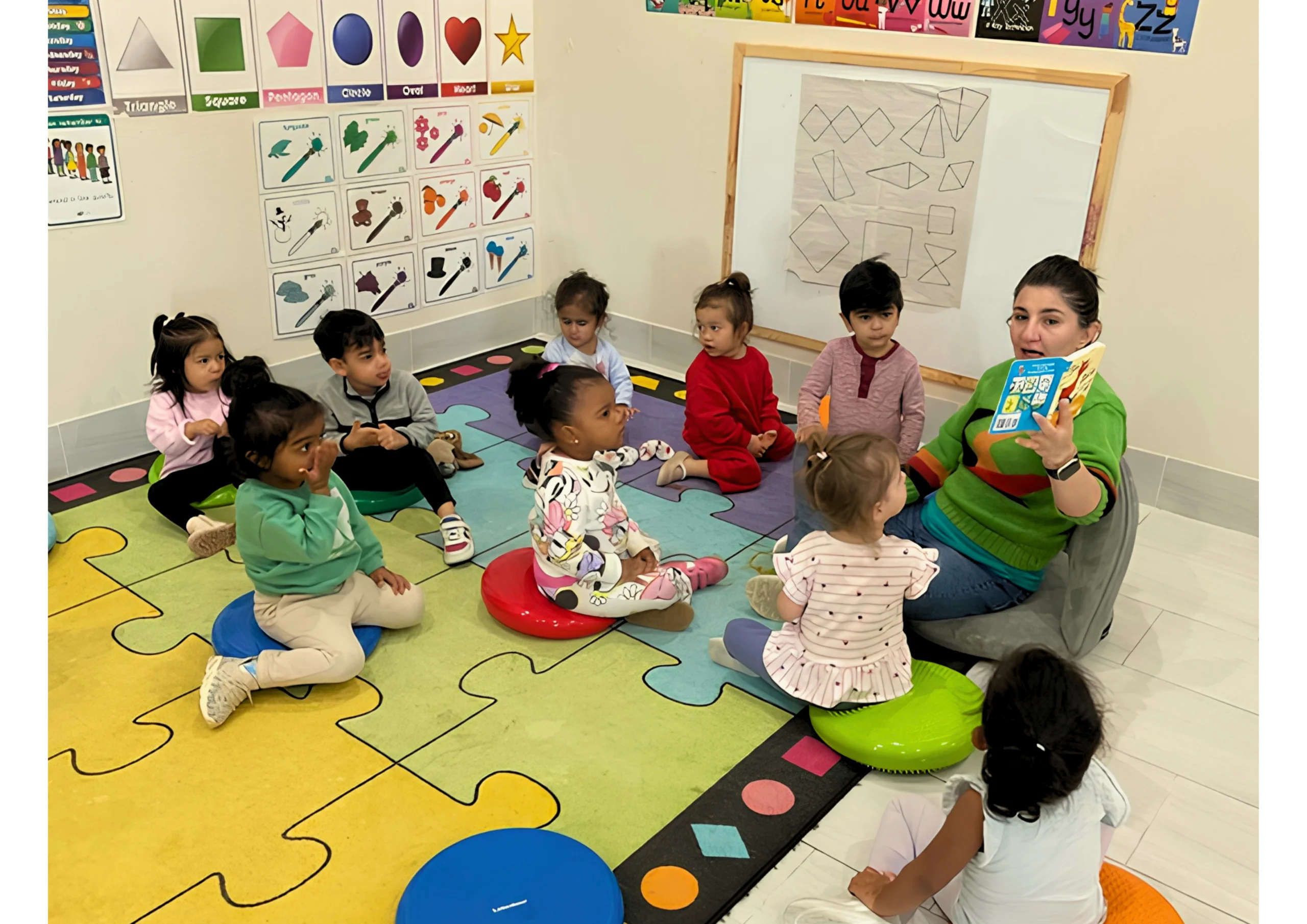
Communication and Language (C+L) encourages conversations and spoken language skills. Underpinning all skills, it's foundational for children to be able to interact with their peers and their learning environment.
There's a lot more to language development and communication than simply 'talking'. It refers to the variety of ways that children take in information, and communicate information – only a part of this is used with spoken words.
Words and image association is one of the best forms of initiating language and communication development. This is why reading books to young children is a great way of bringing this out, since they'll be able to make a connection with the pictures in the book, and the text you're reading out.
It's important for practitioners to upkeep the support in early years provisions surrounding C+L, as a part of the EYFS seven areas of learning. Lots of children are increasingly beginning school with underdeveloped communication and speech skills.

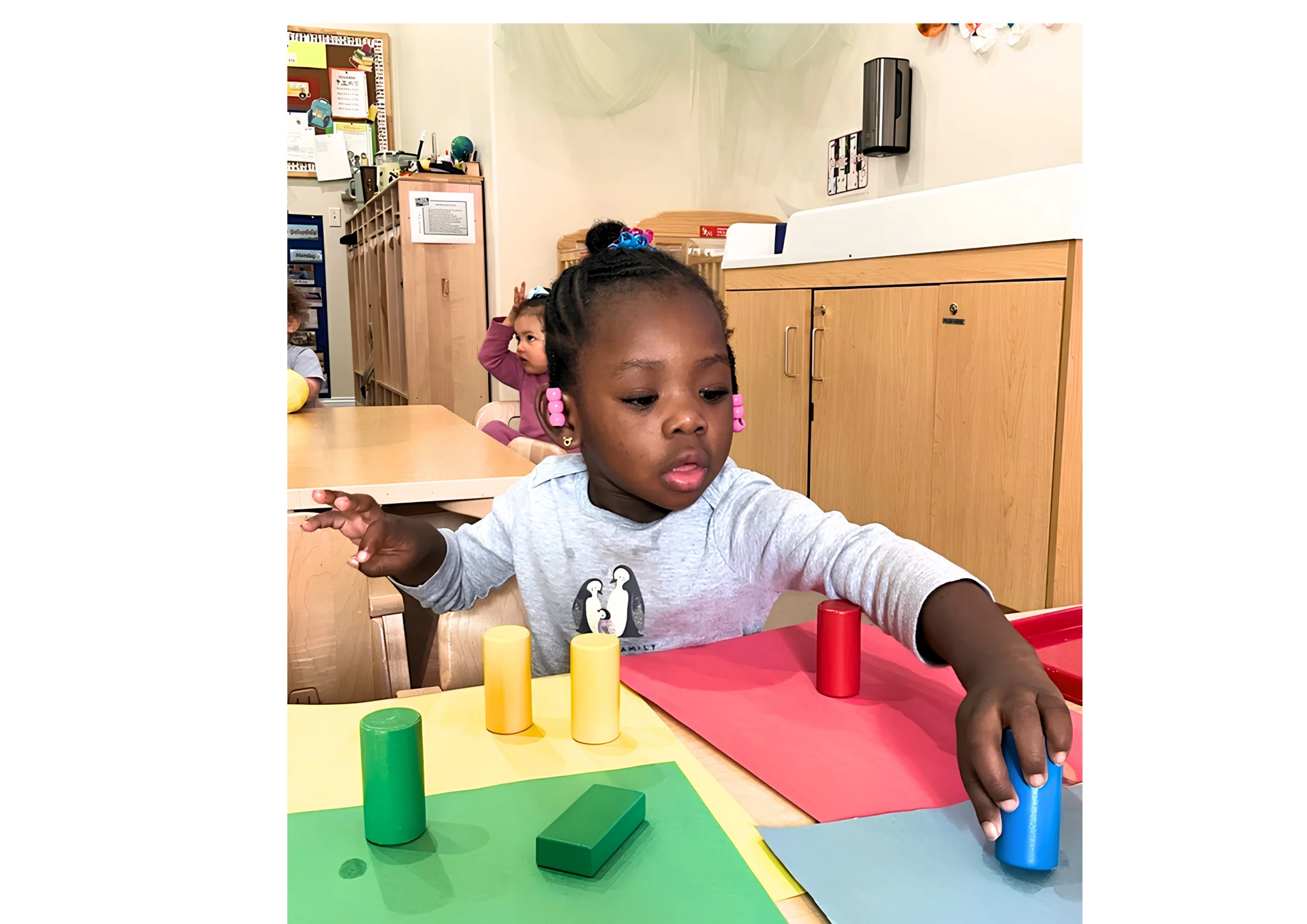
Physical Development (PD) is vital for healthy lives, as well as affecting other areas of learning. Both gross and fine motor skills are developed over Early Years in activities like writing and cutting.
As children move around, they're exploring the world around them through handling objects.
If children are exposed to healthy eating and leading an active lifestyle, they're likely to continue those positive habits as time goes on.
By children having regular physical activity in their lives, it'll promote healthy development, growth, composition, and cardiovascular fitness. Physical development activities help children to control and manage their body movements and control. It also improves brain development, too, such as critical thinking skills and concentration, since physical fitness ensures heightened brain function.

Literacy (L) skills will form a strong foundation for children's school careers.
With literacy, as a part of the EYFS seven areas of learning, children begin to build connections between spoken sounds and the letters in writing.
In order to achieve this, they'll need to start forming levels of experience with letters and words, pictures and objects, and sounds.
Communicating through written language is an essential part for many areas of daily living.

Mathematics (M) area of learning focusses on simple concepts that are foundational to higher maths topics. In EYFS children focus on the maths areas of Number and Numerical Patterns.
Learning maths can help with life skills such as spatial awareness, shapes and measurement, and problem-solving.
Maths also serves for other uses like handling and managing money, telling the time, so they're not late for any commitments they have in place, or working out distance and time together, so that they can travel.
Understanding the World (UTW) supports children's learning about the surrounding environment. In this area of learning, children can explore new cultures and better understand basics that we often take for granted.
Children will discover similarities and differences, what world and what doesn't, what they can and cannot change, and why certain things happen within the world around them. There are lots of opportunities to experiment and investigate. From this subject out of the EYFS seven areas of learning, children can make observations and form their own opinions and theories.
As well as learning about societies and communities, cultures, people, and places, there are elements of science within this type of learning, too. For example, children will learn about the environment, such as weather conditions, plants, and wildlife.

Expressive Arts and Design (EAD) supports children's creative development and expression. It helps children create their own art works and encourages them to value their own thoughts, opinions and skills.
Expressive arts is one of the EYFS seven areas of learning, which provides emotive sharing. They'll be using a range of materials and activities in order to express themselves through imaginative play. This is as well as to communicate, since verbal communication can be limited at such a young age. These activities include design and technology, dance, movement, music, art, and role-play.
Early years practitioners will plan activities to cover these seven Areas of Learning. Throughout the day or session, children will have the opportunity to complete activities that cover many, if not all, of EYFS Seven the Areas of Learning and Development.
Our infant program focuses on gentle care, sensory activities, and building a secure bond with caregivers.
ExploreToddlers explore the world through play-based learning, developing motor skills and early social interactions.
ExploreWe encourage independence and curiosity with structured activities that build confidence and self-help skills.
ExploreSafety, comfort, and bonding come first through responsive care, sensory play, and secure routines in safe, low-ratio classrooms.
ExploreOur Pre-K curriculum prepares children for school success with reading, math, and social-emotional learning.
ExploreThere are few decisions to make as a parent that are as important as the early education and development of your child. With so many options available, making that decision is a daunting task. When you book a tour, we'll aim to make that decision easier by making you feel welcome before we welcome your little one.
Compare Montessori and play-based preschool in Lewisville by classroom setup, teacher role, materials, routines, and tour questions for parents.